
x777 - Understanding the Impact and Dynamics of Jueteng: An In-Depth Exploration
Jueteng is an illegal numbers game that is deeply embedded in the fabric of certain societies. Discover the intricate workings and societal implications of this gambling practice.
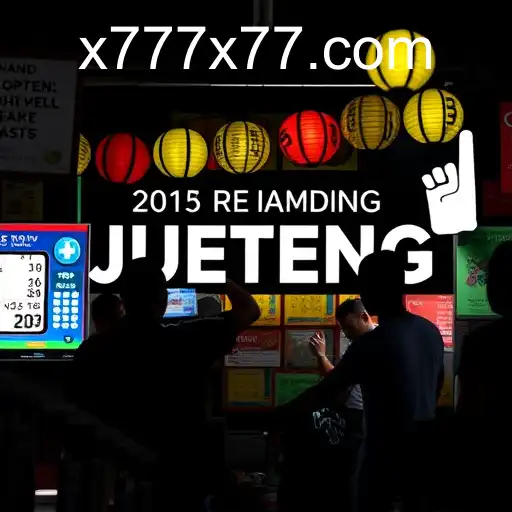
Exploring the Intricacies of Jueteng: A Cultural Phenomenon with Significant Impacts
Jueteng is a fairly unpretentious lottery game deeply ingrained in the socio-cultural fabric of the Philippines. Despite its illegal status, Jueteng has thrived in various communities, manifesting not only as a form of entertainment but also as a black-market economy darling. This clandestine numbers game, often compared to lotto or bingo in essence, holds both a controversial and romanticized place within the popular imagination, influencing various aspects of life from economics to politics.
The Cultural Landscape of Jueteng
Jueteng's pervasiveness is attributed to its simple operational framework and accessibility to individuals. Primarily prominent in the Luzon area, its operation involves players betting on a combination of numbers ranging from 1 to 37. Winning numbers are traditionally drawn twice a day, with the simplicity of the game allowing a wide range of demographics to participate. The roots of Jueteng stretch deep, dating back to the era of Spanish colonization. Its longevity can be linked to its cultural relevance and the economic desperation often faced by its primary audience.
Despite legal prohibitions, Jueteng has integrated into the daily lives of many, often being viewed as a cultural social activity or ritualistic practice among its patrons. Its prevalence reflects social discrepancies, where gambling offers a glimpse of hope amidst economic despair. The cultural acceptance, coupled with the potential for financial gain, renders Jueteng a persistent challenge for law enforcement.
How Jueteng Fuels the Economy
Operating beneath the surface of legal markets, Jueteng significantly impacts local economies. Many cite this illicit game as a crucial support system for the informal economy, providing monetary benefits that circulate within communities. Economic dependency on Jueteng pits it against state-sanctioned lotteries like the Philippine Charity Sweepstakes Office (PCSO) Lotto. For many, it offers a lower risk and more attractive odds, thus becoming a preferred alternative despite its illegal stature.
The game’s informal economic engines extend beyond the bettors to include numerous individuals benefiting from its operation. This encompasses a hierarchy from cabos (coordinators) to kubradors (collectors). The structure is top-heavy, surprisingly employing a vast network, thereby extending its socio-economic influence on various sectors.
The Socio-Political Dimensions of Jueteng
Jueteng profoundly impacts the political landscape as well. Historically, its nexus with politics is conspicuous, with allegations of patronage extending to influential political figures alleged to benefit from its proceeds. This grants Jueteng operators considerable leverage, bestowing them the capacity to influence local elections subtly yet effectively.
The implicit political protection thus nurtures its persistence, impeding law enforcement efforts to suppress the operations. Politicians are often accused of turning a blind eye or actively participating in Jueteng, either by accepting financial contributions or providing operational shelters. This tight nexus underscores not just the corruption within the system but also the challenges inherent in legislation and governance.
Despite numerous anti-Jueteng campaigns, each enforced effort results in temporary disruption rather than a decisive eradication, an often-perplexing phenomenon that roots back to its political embedment and socio-economic relevance.
Reasons Behind Jueteng's Resilience
The resilience of Jueteng is due to interwoven socio-economic and political interests that transcend the mere illegality of the game. Its capacity to adapt and deploy various operational strategies helps it circumvent efforts at eradication. Moreover, its adaptability in different contexts highlights a legal paradox where jurisdictional challenges complicate enforcement.
Legal measures have historically been inconsistent and undermined by corruption, making it difficult to launch sustained campaigns against the game. Meanwhile, Jueteng continues to masquerade as a benevolent contributor to impoverished communities, garnering social support that stymies crackdown efforts. Community-level endorsement demonstrates how deeply embedded Jueteng is within these societies, viewed more as a necessary evil than an immoral pastime.
A Continuing Challenge
The enduring challenge that Jueteng presents is multifaceted, demanding exhaustive efforts that transcend punitive legislative measures. To address it comprehensively, solutions must balance regulatory enforcement with socio-economic development to substitute the void left by gambling.
Initiatives aimed at understanding the cultural underpinnings of Jueteng alongside efforts to provide alternative forms of entertainment or livelihood options could sway the populace from its allure. However, any effort to dismantle Jueteng necessitates a multi-pronged approach, involving political will and societal transformations.
Conclusion: A Persistent Fixture in the Social Fabric
Notwithstanding its illegality, Jueteng represents more than just a criminal activity. For many, it embodies hope in the formality of uncertainty. The game continues as a persistent feature within society, ensconced firmly between elements of tradition and contemporary struggle, presenting an enduring enigma that reflects broader socio-political puzzles within the landscape. The conversation surrounding Jueteng is reflective of deeper socio-economic issues facing the communities sustaining it, a testament to its complex role beyond mere defiance of law.
Understanding Jueteng requires an exploration that delves deeply into cultural, economic, and political realms, providing insights that extend beyond its facade as a mere numbers game. Although conversations about its eradication persist, Jueteng’s cultural entrenchment and economic functionality necessitate multifaceted approaches that address root causes and broader social structures.







GOLD VIP
Minimum deposit: ₱1,500
- ✅ 150% bonus on all deposits
- ✅ Priority withdrawal in 1 minute
- ✅ 10% cashback weekly
- ✅ VIP support 24/7
- ✅ Higher betting limits
PLATINUM VIP
Minimum deposit: ₱6,000
- ✅ 200% bonus + all Gold benefits
- ✅ Instant withdrawal 24/7
- ✅ 15% cashback weekly
- ✅ Exclusive VIP table in casino
- ✅ Special event invitations
DIAMOND VIP
Minimum deposit: ₱30,000
- ✅ 300% bonus + all previous benefits
- ✅ Dedicated personal manager
- ✅ 20% cashback weekly
- ✅ Unlimited withdrawal limits
- ✅ Exclusive trips and gifts
🚀 Register NOW and Get ₱15,000 Bonus!
⏰ LIMITED TIME OFFER! Join over 1.2 million players who have already discovered why x777 is the #1 betting platform in the Philippines. Registration in 30 seconds, first withdrawal in 2 minutes!
💬 What our players say
"Best platform I've ever used! GCash withdrawal in 2 minutes, amazing support!"
- Carlos M., Manila ⭐⭐⭐⭐⭐
"Won ₱45,000 on Gates of Olympus! They paid everything correctly via GCash."
- Ana L., Cebu ⭐⭐⭐⭐⭐
"VIP system is amazing! I have a personal manager and cashback every week."
- Roberto S., Davao ⭐⭐⭐⭐⭐
PAGCOR License
SSL 256-bit
eCOGRA
BSP Approved